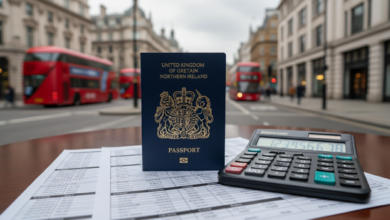
Navigating the British Isles: A Comprehensive Guide to Financial Advisors for Expats in the UK

Moving to the United Kingdom is an adventure that offers rich cultural experiences, career opportunities, and a historical landscape like no other. However, once the initial excitement of relocating to London, Manchester, or Edinburgh settles, many expatriates find themselves facing a daunting wall of administrative complexity—particularly regarding their finances. The UK’s tax system is one of the most intricate in the world, and for an expat, the stakes are doubled as you navigate the intersection of two different jurisdictions. This is where the role of a specialized financial advisor for expats in the UK becomes not just a luxury, but a fundamental necessity.
Why Specialized Advice Matters






Standard financial planning often falls short when applied to the nomadic lifestyle of an expatriate. A generalist advisor might understand the nuances of a British ISA (Individual Savings Account), but they may not grasp how that account is treated by the IRS for an American expat or how it affects a French citizen’s wealth tax obligations. Specialized expat advisors bridge this gap. They understand the dual-regulatory environments and the treaties that prevent double taxation, ensuring that your wealth is protected as it crosses borders.
Understanding the UK Tax Landscape
For any expat, the primary hurdle is understanding ‘Residency’ versus ‘Domicile.’ In the UK, these are distinct legal concepts that dictate how much of your worldwide income is subject to HMRC (Her Majesty’s Revenue and Customs) taxes.
1. Residency: This is usually determined by the Statutory Residence Test (SRT), which counts the number of days you spend in the UK.
2. Domicile: This is a more permanent concept, often relating to where your ‘true home’ is or where your father was born.
An expert financial advisor will help you navigate the ‘Remittance Basis’ of taxation, which can be a significant advantage for high-net-worth individuals who have lived in the UK for less than 15 years. This allows you to potentially keep your foreign income and gains outside the UK tax net, provided they are not brought into (remitted to) the country.
Pensions and Retirement Planning
One of the most complex areas for expats involves pension schemes. Many individuals arrive in the UK with existing retirement pots from their home countries, or they begin contributing to a UK workplace pension without knowing how to manage it if they leave.
Advisors can guide you through the complexities of QROPS (Qualifying Recognised Overseas Pension Schemes) and SIPPs (Self-Invested Personal Pensions). For instance, if you move back to the EU or Australia, transferring your UK pension into a QROPS can offer better currency flexibility and potentially more favorable tax treatment. Without a professional guide, however, you risk incurring heavy exit charges or losing valuable tax protections.

Investment Strategies for the Global Citizen
Expats often require ‘portable’ investment portfolios. If your career takes you from London to Dubai and then to Singapore, you don’t want to be liquidating assets and triggering capital gains taxes every time you move. A financial advisor for expats will typically recommend offshore investment bonds or multi-currency platforms located in jurisdictions like the Isle of Man, Jersey, or Luxembourg. These structures are designed to be tax-efficient across multiple borders, allowing your investments to grow steadily regardless of your current postcode.
Mortgages and Property
Buying property in the UK is a popular goal for many expats, whether as a primary residence or a Buy-to-Let investment. However, securing a mortgage can be significantly harder if you are on a specific visa (like a Tier 2 General visa) or if your income is paid in a foreign currency. Specialized mortgage brokers and financial advisors have relationships with ‘expat-friendly’ lenders who understand that a lack of a long-term UK credit history doesn’t necessarily mean a high-risk borrower.
How to Choose the Right Advisor
When searching for a financial partner in the UK, there are several non-negotiables:
1. FCA Regulation: Always ensure the advisor or firm is regulated by the Financial Conduct Authority (FCA). This provides you with protection and ensures the advisor meets strict professional standards.
2. Cross-Border Expertise: Ask specifically about their experience with your home country’s tax treaty with the UK.
3. Fee Transparency: UK advisors must be transparent about their fees. Whether they charge a flat fee, an hourly rate, or a percentage of assets under management, ensure you understand the cost structure upfront.
4. The ‘Click’ Factor: Beyond the numbers, financial planning is deeply personal. You need someone who listens to your life goals—whether that’s retiring early in Tuscany or funding a child’s education in the US.
The Cost of Going It Alone
The DIY approach to international finance is often a recipe for disaster. The penalties for incorrectly reporting foreign income to HMRC can be severe, often reaching up to 200% of the tax owed in some cases. Furthermore, the opportunity cost of not utilizing tax-efficient structures can amount to hundreds of thousands of pounds over a lifetime.
Conclusion
Living as an expat in the UK is an enriching journey, but the financial ‘white noise’ can often be a source of significant stress. By partnering with a qualified financial advisor who understands the unique challenges of the expatriate life, you can filter out that noise. It allows you to focus on what truly matters: enjoying your time in the UK, advancing your career, and building a secure future for your family, regardless of where in the world you might end up next. Professional advice is not an expense; it is an investment in your peace of mind.