The Entrepreneur’s Journey: Navigating Legal Requirements for Expats Starting a Business in the UK

Starting a business is an adventure that demands both courage and a meticulous eye for detail, especially when that adventure takes place in a foreign land. The United Kingdom remains one of the world’s most attractive destinations for entrepreneurs, thanks to its robust legal framework, global financial reach, and a culture that celebrates innovation. However, for an expat, the transition from ‘visionary’ to ‘legal business owner’ involves navigating a specific set of hurdles. This guide aims to break down the legal requirements for expats starting a business in the UK, maintaining a professional yet approachable tone to help you turn your British business dream into a reality.
1. The Foundation: Your Right to Work and Live



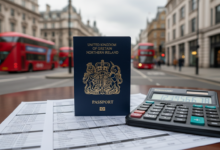

Before you can even pick a business name, you must ensure you have the legal right to stay and work in the UK. Post-Brexit, the rules have become more streamlined but also more rigid for both EU and non-EU citizens. The most common pathways include:
- Innovator Founder Visa: Designed for those with an innovative, viable, and scalable business idea. You need an endorsement from an approved body, and notably, the minimum investment requirement of £50,000 has been removed in many cases to focus more on the quality of the business plan.
- Skilled Worker Visa: While usually for employees, some entrepreneurs use this through ‘self-sponsorship’ if they have a UK-registered entity that can sponsor them, though this is legally complex.
- Global Talent Visa: For those who are leaders or potential leaders in fields like digital technology, arts, or research.
- Sole Trader: The simplest form. You and the business are a single legal entity. You keep all profits after tax but are personally responsible for all debts. It is easy to set up but can be risky if the business incurs significant liabilities.
- Limited Company (Ltd): The most popular choice for scale. The company is a separate legal entity from you. This protects your personal assets (limited liability). However, it comes with more rigorous reporting requirements to Companies House and HMRC.
- Partnership: Ideal if you are starting with someone else. You share the profits and the liabilities.
- A unique company name that doesn’t infringe on trademarks.
- An address in the UK (this will be on the public record).
- At least one director (who doesn’t necessarily need to be a UK resident, though having one helps with banking).
- Shareholders and a ‘Memorandum and Articles of Association’—the rulebook for how the company is run.
- Corporation Tax: Limited companies pay this on their profits. You must register within three months of starting to do business.
- Value Added Tax (VAT): If your taxable turnover exceeds £90,000 (as of 2024), you MUST register for VAT. Some choose to register voluntarily even if they earn less to appear more established or to reclaim VAT on business expenses.
- PAYE (Pay As You Earn): If you plan to hire employees (including yourself as a director), you must register for PAYE to handle income tax and National Insurance contributions.
- Business Insurance: If you have even one employee, Employers’ Liability Insurance is a legal requirement. You might also want Public Liability Insurance or Professional Indemnity Insurance depending on your industry.
- GDPR: The UK General Data Protection Regulation governs how you handle personal data. If you collect email addresses or customer details, you must comply with these rules and potentially register with the Information Commissioner’s Office (ICO).
- Licenses: Depending on your trade (e.g., selling alcohol, providing financial advice, or street trading), you may need specific local authority licenses.
It is crucial to consult an immigration solicitor early on, as your visa status dictates every subsequent step of your business journey.
2. Choosing Your Legal Structure
How you organize your business affects your tax, your personal liability, and your administrative workload. Most expats choose between three main structures:
3. Registering with Companies House
If you choose to form a Limited Company, you must register it with Companies House. This process is known as ‘incorporation.’ You will need:

4. Tax Obligations and HMRC
Tax is an area where you cannot afford to be relaxed. Once your business is registered, you must notify HM Revenue and Customs (HMRC).
5. The Business Banking Hurdle
One of the most surprising challenges for expats is opening a UK business bank account. British banks have strict ‘Know Your Customer’ (KYC) and Anti-Money Laundering (AML) checks. As an expat, you may find that traditional high-street banks are hesitant if you don’t have a long UK credit history.
Many entrepreneurs now turn to ‘challenger banks’ like Monzo Business, Revolut Business, or Tide. These often have faster application processes for foreign nationals, provided you have your proof of address and company incorporation documents ready.
6. Compliance, Insurance, and Data Protection
To operate legally, you must also consider:
7. Intellectual Property (IP)
Protecting your brand is vital. Ensure you register your trademarks and understand how copyright law works in the UK. This prevents others from riding on the coattails of your hard work and secures your business’s value for the future.
Conclusion
The UK offers a fertile ground for expat entrepreneurs, but the legal landscape requires careful treading. By securing the right visa, choosing the correct structure, and staying on top of your tax and compliance duties, you build a foundation that is not just legal, but resilient. While the paperwork might seem daunting at first, the clarity it provides allows you to focus on what you do best: innovating and growing your business in one of the most dynamic economies in the world.
Welcome to the British market—your journey starts with a single, legally-compliant step.